
Table of Contents
- RPC vs Sunbather Pool Heating: Key Differences
- Solar Pool Heating vs Heat Pump Cost: Running Expenses Compared
- Energy Efficiency and Thermal Performance
- How to Choose a Pool Heater for Your Home
- Pool Heating Maintenance Tips and Long-Term Care
- Hybrid Systems and Extended Swimming Season
- Environmental Impact and Warranty Support
- Which System Should You Choose?
Last Updated: August 6, 2026
RPC vs Sunbather Pool Heating: Key Differences
When choosing between RPC and Sunbather pool heating systems, you’re fundamentally deciding between two different approaches to solar pool heating. Both use solar energy to warm your pool, but they operate on distinctly different principles.
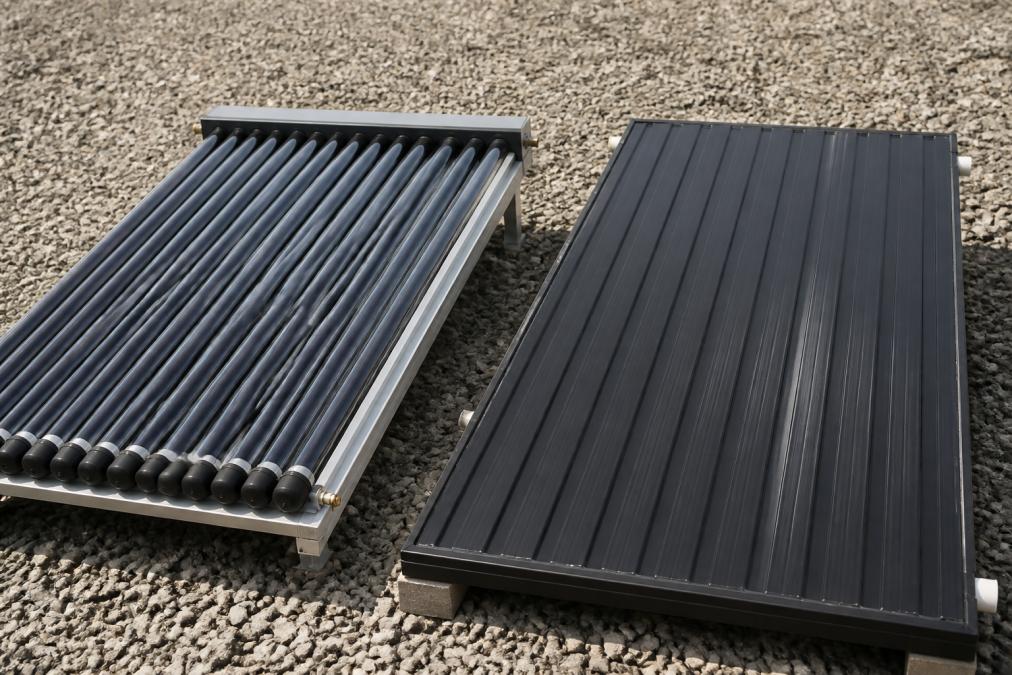
RPC systems use rigid solar collectors mounted on your roof that absorb heat and transfer it to pool water through a heat exchanger. Sunbather systems employ flexible solar tubing integrated directly into your pool’s filtration circuit, warming water as it flows through before returning to the pool. This distinction affects installation complexity, maintenance requirements, and performance across different Australian climates.
How RPC Systems Work
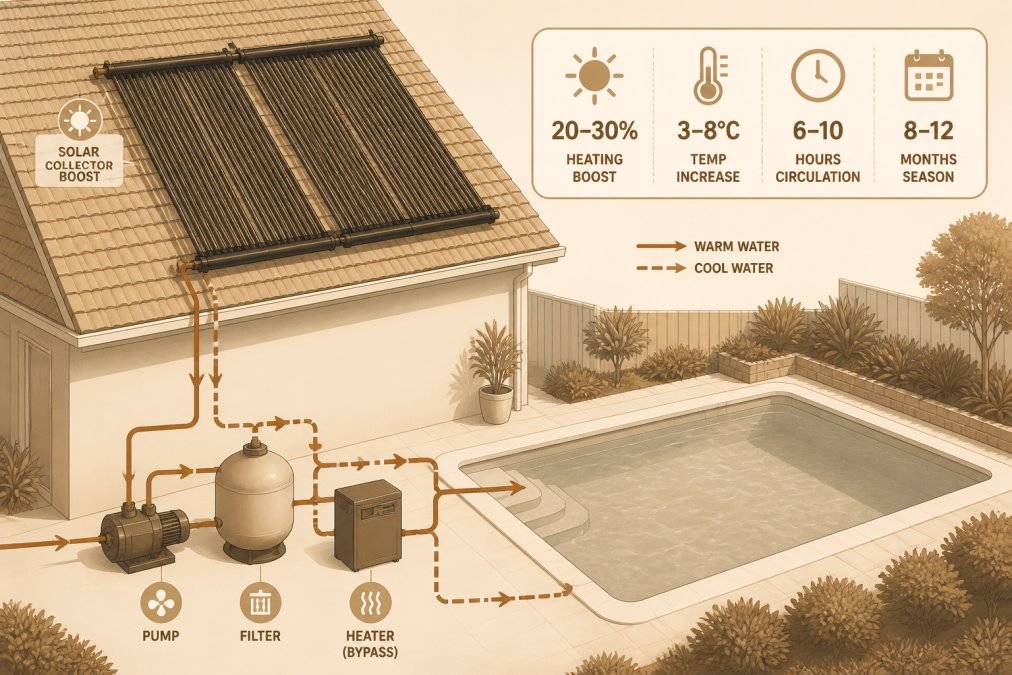
RPC systems operate as a closed-loop thermal transfer system. Rigid solar collectors contain a heat transfer fluid that circulates through the collectors, absorbs solar radiation, and passes through a heat exchanger to transfer warmth to your pool water. A thermostat controls the flow, activating when roof temperature exceeds pool temperature by 5-8 degrees.
This design offers superior thermal efficiency because the heat transfer fluid (typically a glycol-water mixture) captures more energy from the sun than plain pool water. RPC systems also provide better freezing protection and allow sophisticated control logic. Installation requires plumbing to connect collectors to the heat exchanger near your pool pump, but the modular design lets you add collectors later to increase capacity.
How Sunbather Systems Work
Sunbather systems eliminate the heat exchanger entirely. Your pool water flows directly through flexible solar tubing on your roof, absorbs heat, and returns to the pool. This simplicity means faster, cheaper installation and transparent operation, but thermal performance depends on water flow rate and ambient temperature. On cooler days or at low pump speeds, heating output drops noticeably.
Sunbather systems work best in warm climates where ambient temperatures stay high and you run your pool pump frequently. They’re less effective in southern Australia or during winter months.
Solar Pool Heating vs Heat Pump Cost: Running Expenses Compared
Both RPC and Sunbather systems use the sun’s energy and cost almost nothing to operate once installed. However, both consume electricity to circulate water through the system.
RPC systems require a circulation pump drawing 0.5-1.5 kilowatts depending on system size. Sunbather systems integrate with your existing pool pump, adding minimal separate electrical load. Running your pool pump 6-8 hours daily during heating season adds roughly $50-150 per season in electricity costs for either system.
The real cost difference emerges over time. RPC systems typically last 15-20 years with proper care. Sunbather systems, relying on flexible tubing exposed to UV radiation and temperature cycling, often need replacement after 8-12 years. This means Sunbather’s lower upfront cost can be offset by replacement expenses over time.
Energy Efficiency and Thermal Performance
RPC systems excel at energy efficiency because they use optimised heat transfer fluids and rigid collectors designed specifically for thermal capture. The closed-loop design minimises evaporation losses. RPC systems perform consistently across varying conditions, even on partly cloudy days or when ambient temperatures drop, the system continues circulating and transferring energy efficiently.
Sunbather systems achieve good efficiency in ideal conditions but efficiency drops sharply as conditions deteriorate. On cool mornings or overcast afternoons, thermal performance disappoints.
Seasonal Performance Across Australian Climates
In Melbourne and southern Victoria, RPC systems maintain performance through cooler months, extending your swimming season reliably from November through March. Sunbather systems struggle during shoulder seasons with inconsistent results.
On the Sunshine Coast and tropical regions, both systems perform well during summer and autumn. Sunbather becomes more practical here because ambient temperatures remain high and solar intensity is strong, though RPC still outperforms.
For Perth and South Australia, RPC systems provide superior reliability during spring and autumn when many homeowners want to extend their season. Sunbather works adequately during peak season but underperforms during shoulder months.
How to Choose a Pool Heater for Your Home
Selecting between RPC and Sunbather requires evaluating your specific circumstances: climate zone, budget, and performance expectations.
Climate Zone Suitability
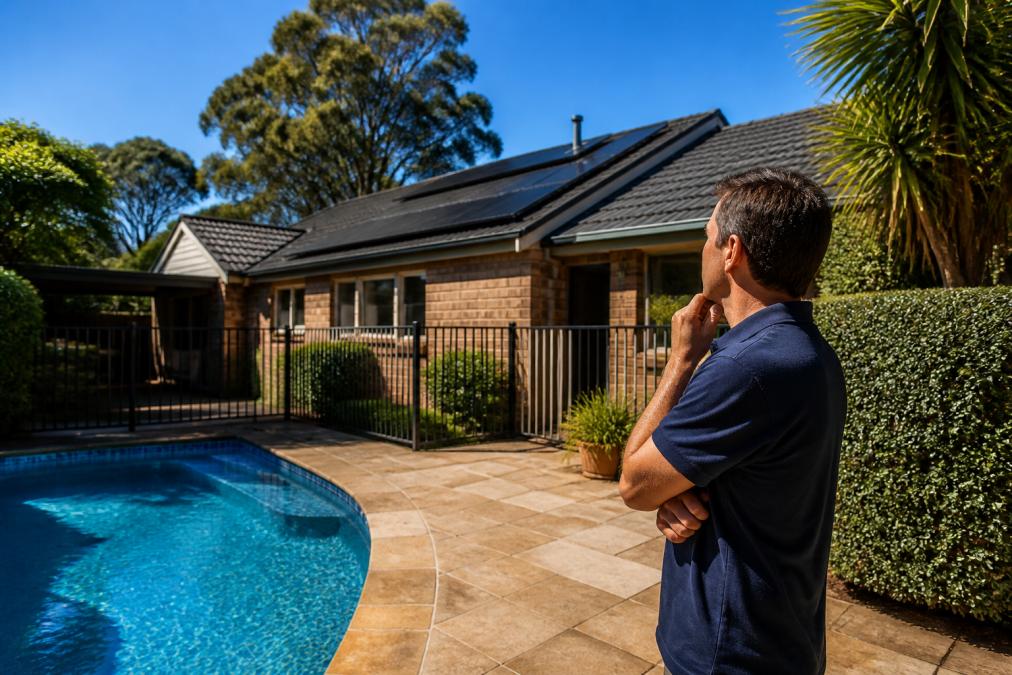
If you’re in Melbourne, Adelaide, Hobart, or Canberra, cool winters and moderate summers, RPC systems are the practical choice. Sunbather will disappoint during shoulder seasons when you most want to extend your swimming.
If you’re in Brisbane, the Sunshine Coast, Darwin, or Cairns, warm climates where temperatures stay high, Sunbather becomes viable, though RPC still outperforms.
Perth and South Australia sit in the middle. Choose RPC for year-round or consistent shoulder-season heating. Choose Sunbather if you’re budget-constrained and accept that winter heating won’t work.
Installation Footprint and Roof Space
RPC systems require 4-8 square metres of clear south-facing or north-facing roof exposure. Significant shading from trees or buildings reduces performance proportionally.
Sunbather systems are more flexible because tubing can snake around obstacles and fit tight spaces. However, shading affects Sunbather performance even more severely than RPC because the system lacks RPC’s efficiency gains.
Both systems require adequate roof structural capacity. RPC collectors add weight; Sunbather tubing adds minimal load.
Noise Levels and System Durability
RPC systems introduce a circulation pump generating modest noise (60-70 decibels, comparable to normal conversation). If your pool area is close to neighbours or bedrooms, this matters.
Sunbather systems produce no additional noise because they integrate with your existing pool pump.
Durability favours RPC systems. Rigid collectors and closed-loop design mean fewer failure points and longer lifespan (15-20 years). Sunbather’s flexible tubing degrades under UV exposure and temperature cycling, requiring replacement every 8-12 years.
Pool Heating Maintenance Tips and Long-Term Care
RPC System Maintenance
Inspect RPC systems annually before the heating season. Check collector seals, connections, and heat transfer fluid level. Replace the fluid every 5-7 years as it degrades over time. Clean collectors annually by rinsing to remove dust and debris. Inspect the heat exchanger for scale buildup if you have hard water. Most RPC systems run 15-20 years with this level of care.
Sunbather System Maintenance
Inspect tubing quarterly for cracks, leaks, or UV damage. Clean annually to maintain solar absorption. Check connection points where tubing joins your filtration circuit for leaks, these are the most common failure points. Budget for tubing replacement every 8-12 years, which involves draining, disconnecting, installing new tubing, and refilling.
Hybrid Systems and Extended Swimming Season
Hybrid systems combining solar heating with heat pump backup capture benefits of both technologies: solar does heavy lifting during warm months, while heat pump provides reliable heating during winter or cloudy periods.
RPC systems integrate more smoothly into hybrid setups because their closed-loop design and heat exchanger already accommodate multiple heat sources. Sunbather systems can be hybridised but integration is less elegant.
| System Type | Best For | Primary Limitation | Maintenance Effort |
|---|---|---|---|
| RPC Solar | Year-round heating, cool climates, reliability | Higher upfront cost | Moderate (annual fluid check, collector cleaning) |
| Sunbather Solar | Budget-conscious, warm climates, minimal noise | Poor winter performance | Low (quarterly inspection, tubing replacement every 8-12 years) |
| Hybrid (RPC + Heat Pump) | Extended season, variable climates, comfort priority | Highest cost | Moderate (combines both systems’ requirements) |
Environmental Impact and Warranty Support
Both RPC and Sunbather systems eliminate direct greenhouse gas emissions from pool heating. Over a 15-year lifespan, a solar pool heating system saves several tonnes of CO₂ compared to gas heating.
RPC’s longer lifespan (15-20 years vs 8-12 years for Sunbather) means fewer replacement cycles and less manufacturing impact per year of service. Most RPC systems come with 5-10 year warranties on collectors and components. Sunbather tubing typically carries 5-year warranties, though some manufacturers offer extended coverage. Many warranties exclude UV damage or wear, common failure modes for Sunbather tubing.
Which System Should You Choose?
Choose RPC if: You live in a cool or moderate Australian climate (Melbourne, Adelaide, Perth, Canberra). You want year-round or extended-season heating. You prioritise reliability over upfront cost. You have adequate south-facing roof space. You’re comfortable with modest pump noise.
Choose Sunbather if: You live in a warm climate (Brisbane, Sunshine Coast, Darwin). You’re budget-constrained and accept that winter heating won’t work. Your roof is partially shaded or has limited space. Noise is a concern.
Consider hybrid if: You want year-round swimming capability. You’re willing to invest in both solar and heat pump technology.
At Solazone Australia, we offer a range of solar pool heating solutions across Melbourne and the Sunshine Coast. We focus on Australian-made systems and personalised installation tailored to your home’s unique characteristics.
Choosing the right pool heating system requires weighing performance, cost, and climate suitability. RPC systems deliver superior year-round reliability in most Australian climates, particularly in cooler regions. If you’re ready to extend your swimming season with a system tailored to your home’s specific conditions, Solazone Australia’s experienced team can design and install the right solution. Get in touch with us to discuss your pool heating options and receive a personalised assessment for your property.
Frequently Asked Questions
What is the difference between RPC and Sunbather heating systems?
RPC systems use rigid solar collectors mounted on the roof to heat pool water through a heat exchanger, while Sunbather systems typically employ flexible solar tubing integrated directly into the pool filtration loop. RPC offers higher thermal efficiency in cooler climates, while Sunbather systems require less roof space and integrate more simply with existing filtration. Both extend the swimming season, but their installation footprint, maintenance schedules, and operating hours differ significantly based on your climate zone and roof configuration.
Is solar pool heating cheaper to run than heat pumps in Australia?
Solar pool heating generally has lower running costs once installed, as it relies on renewable energy and requires minimal energy consumption. Heat pumps consume significant kilowatt-hours of electricity, though they operate efficiently. The true cost comparison depends on your local electricity rates, climate zone, and how many months you use the pool. In sunnier regions like the Sunshine Coast, solar systems typically cost less to operate annually. For cooler areas or year-round heating, hybrid systems combining solar with heat pump backup may offer the best balance of running costs and reliability.
How often do RPC and Sunbather pool heating systems need maintenance?
RPC systems require annual inspection of the solar collector, heat exchanger, and thermostat control settings, plus checks on UV resistance of tubing and flow rate consistency. Sunbather systems need similar checks on flexible tubing durability and integration points with your pool filtration. Both benefit from seasonal cleaning to remove debris and ensure optimal thermal efficiency. Maintenance schedules are typically annual or biannual depending on your climate and usage. Proper maintenance extends system longevity and prevents efficiency loss from evaporation reduction failures or thermostat drift.
What climate zone is best suited for solar pool heating in Australia?
Solar pool heating performs best in regions with consistent sunshine and moderate ambient temperatures. The Sunshine Coast and northern Australia experience ideal conditions for year-round swimming season extension. Melbourne's cooler climate still supports solar heating effectively during warmer months, though hybrid systems with heat pump backup may be necessary for winter use. Your specific climate zone determines whether a solar-only system, heat pump, or hybrid approach offers the best return on investment and carbon footprint reduction.
Can I install a pool heating system on an older home with a complex roof?
Yes, but installation requirements vary. RPC systems need adequate roof space and structural support for rigid collectors, while Sunbather's flexible tubing offers more flexibility on irregular roof layouts. An experienced installer assesses your roof integration possibilities, shading issues, and structural capacity before recommending a system. Some older homes may require reinforcement or alternative mounting solutions, which affects the installation footprint and overall project scope. Personalised assessment by a qualified installer is essential to determine feasibility and cost implications for your specific property.
This article was written using GrandRanker