
Table of Contents
- How Solar Power Systems Work
- Components of a Solar Power System
- Grid-Tied vs Off-Grid Solar Systems
- Solar Battery Storage Benefits Explained
- STC Solar Rebate Explained and Financial Incentives
- Solar System Maintenance Tips and Monitoring
- Roof Orientation, Shading, and System Performance
- Solar System Recycling and End-of-Life Management
How Solar Power Systems Work
A solar power system is a collection of interconnected components that capture energy from sunlight and convert it into usable electricity for homes and businesses. At its core, the system relies on the photovoltaic effect: when photons from sunlight strike semiconductor material in solar panels, they knock electrons loose, creating an electrical current that flows through an inverter and into your home’s circuits.
The journey from sunlight to usable power happens in milliseconds. Solar panels generate direct current (DC) electricity, but your appliances need alternating current (AC). That’s where the inverter steps in, performing DC to AC conversion continuously throughout the day. The system monitors energy production in real time, adjusting output as clouds pass overhead or the sun’s angle changes across the sky.
Understanding how these components work together is essential for anyone considering a solar power system installation. The efficiency of this process depends on several factors: panel quality, inverter performance, system design, and environmental conditions. A well-designed solar power system can operate reliably for 25 to 30 years with minimal maintenance, making it a long-term investment in energy independence.
Components of a Solar Power System
Solar panels and photovoltaic arrays
Solar panels contain photovoltaic cells that convert sunlight directly into electricity. A typical residential solar power system includes multiple panels wired together into what’s called a photovoltaic array. Each panel produces DC voltage, and when combined, these panels generate the total system capacity measured in kilowatts.
Panel efficiency varies depending on technology and manufacturing quality. Modern panels typically convert 18 to 22 percent of incoming sunlight into usable electricity. The total number of panels you need depends on your energy consumption patterns and the amount of solar irradiance your location receives. A home using 20 kilowatt-hours per day in a region with moderate sun exposure might require a 6 to 8 kilowatt array.
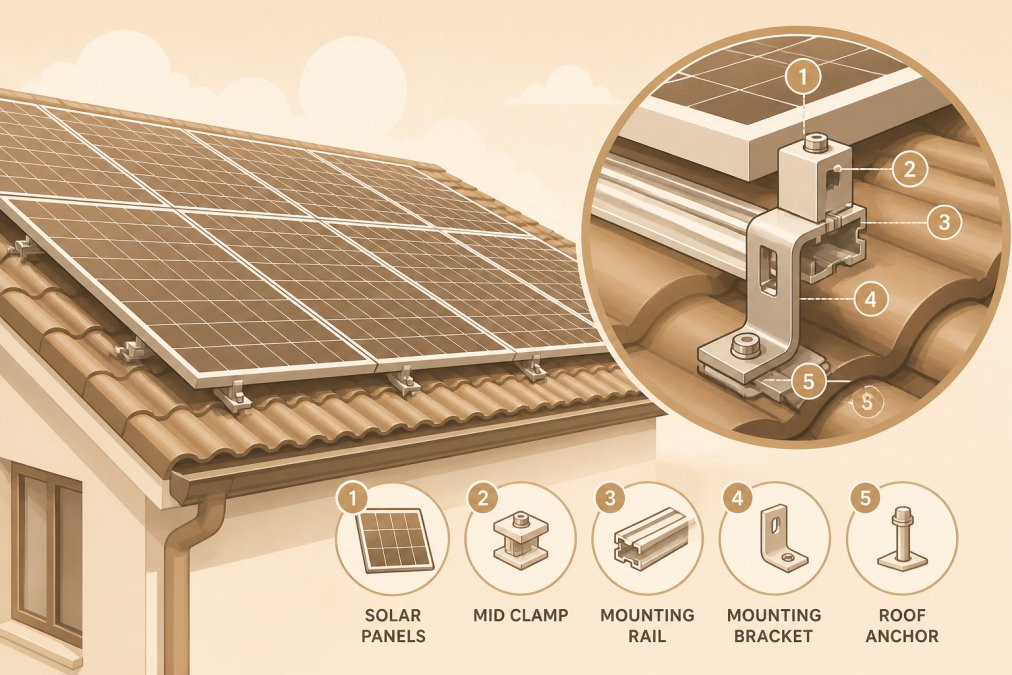
Mounting systems secure panels to your roof or ground, angled to maximise solar irradiance throughout the day. The mounting structure must withstand local wind speeds and weather conditions whilst maintaining the optimal tilt angle for your latitude. Installation permits are required in most areas, ensuring the work meets building codes and electrical safety standards.
Inverters and DC to AC conversion
The inverter is arguably the most critical component in any solar power system. This device performs the essential DC to AC conversion that allows your solar panels’ output to power household appliances. String inverters are the most common type, combining output from multiple panels before conversion. Microinverters, installed on individual panels, offer advantages when shading is a concern, though they typically cost more per kilowatt.
Inverter efficiency typically ranges from 95 to 98 percent, meaning minimal energy is lost during conversion. A quality inverter also provides monitoring software that tracks real-time system performance, alerting you to any issues before they become serious problems. Many modern inverters integrate with smart home systems, allowing you to monitor your solar power system remotely via smartphone apps.
Mounting systems and installation permits
Your solar power system’s physical foundation matters as much as its electrical components. Mounting systems attach panels securely to your roof structure, distributing weight evenly to prevent damage. Roof-mounted systems are most common for residential applications, whilst ground-mounted arrays work well for properties with suitable open space.
Before installation begins, you’ll need to obtain the necessary permits from your local council. These permits ensure the installation meets building codes, electrical safety standards, and any local planning requirements. The installation process typically involves structural assessment, electrical design, and coordination with your energy provider if you’re planning a grid-tied system.
Grid-Tied vs Off-Grid Solar Systems
Understanding the difference between grid-tied and off-grid configurations is crucial when planning your solar power system. A grid-tied solar power system remains connected to the utility network, allowing you to draw power when your panels aren’t producing enough. Excess energy flows back to the grid, often earning credits through a feed-in tariff scheme. This approach offers simplicity, lower upfront costs, and no battery storage requirement.
Off-grid systems operate independently of the utility network entirely. These solar power systems include battery storage to capture excess energy for use during nighttime or cloudy periods. Off-grid living requires careful load management and typically involves a backup generator for extended periods of low production. Off-grid systems suit remote properties where grid connection is unavailable or prohibitively expensive.
The financial implications differ significantly. Grid-tied systems use the feed-in tariff, which credits you for excess energy exported to the network. Off-grid systems eliminate ongoing electricity bills but require substantial upfront investment in battery storage. Many property owners choose hybrid approaches: primarily grid-tied with modest battery backup for peak demand periods or essential loads during outages.
Solar Battery Storage Benefits Explained
Battery storage transforms your solar power system from a daytime-only energy source into a 24-hour power solution. Solar battery storage captures excess energy produced during peak daylight hours, storing it for use when production drops or demand peaks. This shift fundamentally changes how you interact with your energy consumption patterns.
The primary benefit is energy independence. With adequate battery capacity, you reduce reliance on grid electricity and the peak demand charges that utilities impose during high-consumption periods. Peak demand typically occurs in early morning and evening, precisely when solar production has dropped. A battery system shifts your consumption to stored solar energy, lowering your overall electricity costs.
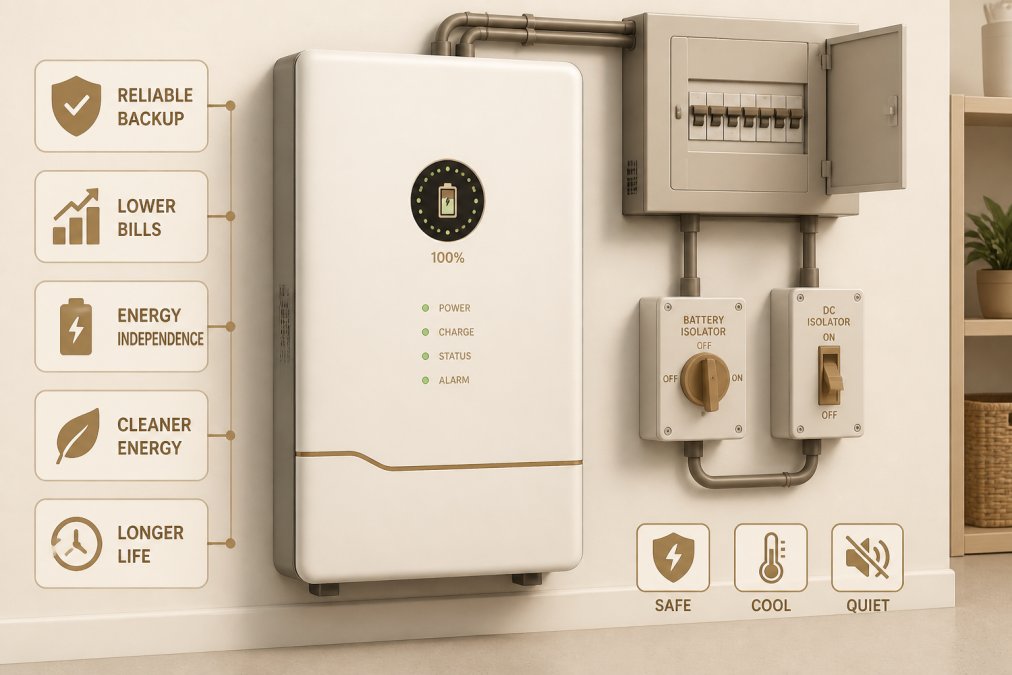
Battery backup also provides resilience during grid outages. Rather than losing power during a blackout, your solar power system continues supplying electricity to designated circuits. This proves especially valuable in areas prone to power disruptions. The battery capacity determines how long you can maintain essential loads during an outage, typically measured in kilowatt-hours of usable storage.
Battery technology has advanced significantly, with lithium-ion systems now offering 10,000 to 15,000 cycle lifespans. This means a quality battery can function reliably for 15 to 20 years, matching the operational life of your solar panels. Installation costs for battery storage have declined, though they remain a substantial component of total system investment.
STC Solar Rebate Explained and Financial Incentives
Australia’s Small-scale Technology Certificate (STC) scheme provides financial incentives for installing solar power systems. The scheme creates tradeable certificates based on the energy your system is expected to generate over its lifetime. Each certificate represents one megawatt-hour of renewable energy, and their value fluctuates based on market demand.
When you install an eligible solar power system, the installer typically assigns the STC value to you as an upfront discount. This reduces your out-of-pocket cost at the point of purchase. The scheme applies to systems up to 100 kilowatts capacity, covering most residential and small commercial installations. Eligibility depends on meeting specific performance standards and using accredited installers.
The financial benefit from STCs varies depending on system size, your location, and current certificate prices. A typical residential solar power system might generate 40 to 60 megawatt-hour equivalents over its lifetime, translating to meaningful upfront savings. Beyond STCs, many states offer additional rebates or incentive programs, check with your state government for current schemes.
At Solazone Australia, we help customers navigate these incentive programs, ensuring you receive all available rebates and credits. With over 40 years of technical expertise, our team understands the regulatory landscape and can guide you through the application process. We’re committed to maximising your financial benefit whilst delivering a solar power system that meets your specific energy needs.
Solar System Maintenance Tips and Monitoring
A well-maintained solar power system operates at peak efficiency throughout its 25 to 30-year lifespan. Regular monitoring through your system’s software alerts you to performance drops, allowing early intervention before minor issues become costly problems. Most systems include mobile apps that display real-time energy production, consumption, and battery status.
Cleaning your panels typically requires attention once or twice annually, depending on your location’s dust and pollen levels. In dusty regions or areas with regular rainfall, more frequent cleaning may be necessary. Professional cleaning services ensure panels are cleaned safely without damaging the surface. Most homeowners find that rainfall provides adequate natural cleaning in moderate climates.
Inverter performance should be monitored continuously. Quality monitoring software flags any anomalies, unusual temperature readings, voltage fluctuations, or communication errors. These early warnings often prevent system shutdowns and expensive repairs. Many inverters include self-diagnostic features that identify problems automatically.
Battery systems require less active maintenance than older lead-acid batteries, but periodic checks remain important. Ensure battery terminals are clean and connections are tight. Monitor battery health indicators through your monitoring software, watching for gradual capacity decline that might indicate aging. Most lithium-ion batteries maintain 80 to 90 percent of original capacity after 10 years of use.
Roof Orientation, Shading, and System Performance
Roof orientation fundamentally determines your solar power system’s output. North-facing roofs in the Southern Hemisphere receive the most direct sunlight throughout the day, producing peak energy generation. East or west-facing roofs generate less total energy but may suit households with different consumption patterns, east-facing systems peak in morning, west-facing in afternoon.
Shading represents the most common performance challenge for solar power systems. Even partial shading of a single panel can significantly reduce that panel’s output, and in older systems, affect the entire array. Trees, chimneys, buildings, or structures casting shadows during peak production hours can reduce system output by 20 to 40 percent depending on duration and extent.
Modern systems address shading through microinverters or power optimisers installed on individual panels. These devices allow each panel to operate independently, preventing one shaded panel from dragging down the entire array’s performance. This technology proves invaluable for properties with unavoidable shading challenges. A professional site assessment identifies potential shading issues before installation, allowing strategic panel placement to minimise impact.
Solar irradiance, the intensity of sunlight reaching your location, varies seasonally and geographically. Locations closer to the equator receive more consistent year-round irradiance, whilst southern regions experience more dramatic seasonal variation. Your solar power system’s design accounts for these variations, sizing the array to meet annual energy needs despite seasonal fluctuations.
Solar System Recycling and End-of-Life Management
As solar power systems age beyond their operational lifespan, responsible recycling becomes increasingly important. Most panels contain valuable materials, silicon, glass, aluminium, and copper, that can be recovered and reused. Recycling facilities separate these materials through mechanical and chemical processes, recovering up to 95 percent of panel material for reuse.
Battery recycling presents a more complex challenge, particularly for lithium-ion systems. These batteries contain valuable materials but also require careful handling to prevent environmental contamination. Established recycling programs recover lithium, cobalt, and other metals for use in new batteries, reducing the need for virgin material extraction.
The regulatory landscape around solar panel and battery disposal continues evolving. Currently, many manufacturers and installers participate in voluntary take-back programs. As systems reach end-of-life, these programs ensure responsible recycling rather than landfill disposal. Future regulations may mandate manufacturer responsibility for end-of-life management, similar to schemes in Europe.
Planning for end-of-life management at the installation stage demonstrates foresight. Many installers can advise on recycling options and help establish plans for eventual system decommissioning. Our commitment to sustainable practices extends beyond installation, we support the complete lifecycle of your solar power system, from initial design through final recycling.
| Component | Lifespan | Recycling Value | Key Considerations |
|---|---|---|---|
| Solar Panels | 25-30 years | High (glass, silicon, metals) | Separate by material type |
| Inverters | 10-15 years | Moderate (electronics, copper) | Contain hazardous components |
| Batteries | 10-20 years | High (lithium, cobalt, nickel) | Require specialist handling |
| Mounting Systems | 25-30 years | High (aluminium, steel) | Easily separated and recycled |
| Wiring/Connectors | 25-30 years | Moderate (copper, plastics) | Sorted by material composition |
Choosing a solar power system represents a significant investment in your home’s energy future. Solazone Australia brings over 40 years of technical expertise to every installation, ensuring your system performs reliably whilst maximising financial returns through available incentives. Our team designs customised solar power systems that match your specific energy consumption patterns, roof characteristics, and long-term goals. Contact Solazone Australia today for a professional assessment of your property’s solar potential and a detailed quote tailored to your needs.
Frequently Asked Questions
What size solar power system do I need to run my house?
System size depends on your annual energy consumption and peak demand. Most residential homes need 5-10 kilowatt-hour capacity. Review your electricity bills to find your average daily usage, then divide by peak sun hours in your region. A professional assessment accounts for roof orientation, shading, and your specific appliance load. Oversizing slightly protects against future consumption increases.
How do solar feed-in tariffs work?
When your solar power system generates more electricity than you use, the excess feeds back into the grid. Your retailer credits your account at the feed-in tariff rate, typically 5-15 cents per kilowatt-hour depending on your state and retailer. This reduces your overall electricity bill and makes solar more cost-effective. Check your retailer's current tariff before installation to estimate your financial benefit.
What is the difference between grid-connected and off-grid solar systems?
Grid-tied systems remain connected to the main electricity network, allowing you to draw power when solar production is low and export excess power. Off-grid systems operate independently with battery storage, ideal for remote properties without grid access. Grid-tied systems cost less and require no battery backup; off-grid systems offer energy independence but need larger battery banks and higher upfront investment. Choose based on your location and reliability needs.
Are solar power systems worth the investment in the current market?
Solar systems offer strong returns through reduced electricity bills, STC rebates, and feed-in tariff income. Payback periods typically range from 5-8 years, after which you generate free electricity for 25+ years. Government incentives and falling component costs improve economics. However, your return depends on system size, roof quality, local electricity rates, and usage patterns. Request a detailed financial projection for your specific situation to confirm value.
How does the STC solar rebate work?
Small-scale Technology Certificates (STCs) are tradeable credits issued for eligible solar installations. You receive one STC per megawatt-hour of electricity your system is expected to generate over 15 years. These can be sold to retailers to offset installation costs, typically providing a discount of several thousand dollars upfront. Eligibility depends on system size, installer accreditation, and your location. Your installer handles the STC process, reducing your net purchase price.
What maintenance does a solar power system require?
Solar systems need minimal maintenance: annual inspections, occasional panel cleaning (especially in dusty areas), and monitoring software checks. Most systems include 10-25 year warranties on panels and inverters. Battery systems require more attention, with regular health checks and software updates. Hire a qualified technician annually to inspect wiring, connections, and inverter performance. Proper maintenance maximises energy production and extends equipment lifespan.
Will a 10kW solar system run a house?
A 10 kilowatt system can power most homes, depending on consumption patterns. Average household use is 15-20 kilowatt-hours daily; a 10kW system generates roughly 40-50 kilowatt-hours on a sunny day. This covers typical usage with grid backup for cloudy periods. If you use high-consumption appliances (pool pump, air conditioning, electric heating) or live in a low-sunlight region, you may need a larger system or battery storage to meet peak demand reliably.
How do roof orientation and shading affect solar system performance?
North-facing roofs in the Southern Hemisphere receive optimal sunlight and generate maximum output. East or west-facing installations produce 15-25% less energy. Shading from trees, buildings, or chimneys significantly reduces output, even partial shade on one panel affects the entire array through string wiring. Professional site assessments identify shading patterns throughout the year and recommend panel placement or micro-inverters to mitigate losses. Roof angle and orientation directly impact your return on investment.
This article was written using GrandRanker