
Table of Contents
- What Is Solar Panel Degradation?
- Average Solar Panel Lifespan and Annual Output Loss
- Factors Affecting Solar Panel Efficiency and Degradation
- Solar Panel Performance Warranty Australia: What It Covers
- Monitoring Degradation: Inverter Type and Real-Time Detection
- Battery-Coupled Systems and Degradation Patterns
- Maintenance and Mitigation Strategies
- Frequently Asked Questions
Last Updated: August 31, 2026
What Is Solar Panel Degradation?
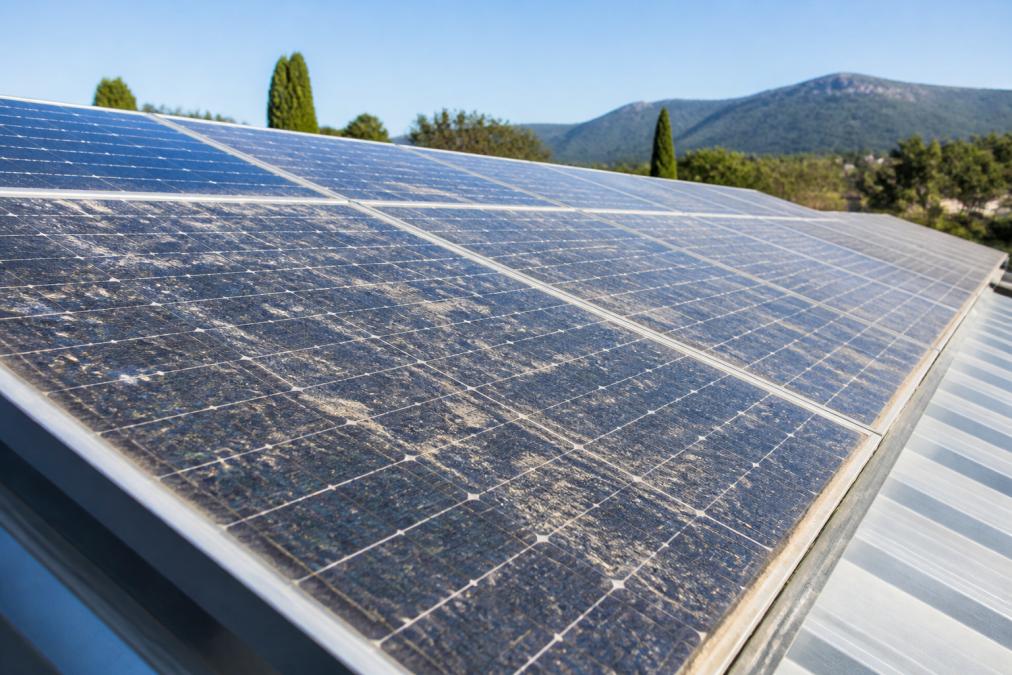
Solar panel degradation refers to the gradual decline in a photovoltaic system’s power output over time. Unlike a sudden failure, degradation is a slow, measurable loss of efficiency that occurs even in well-maintained installations. Most panels lose a small percentage of their generating capacity each year due to environmental exposure, material fatigue, and operational stress.
This degradation is normal and expected. Manufacturers account for it in their performance warranties, which typically guarantee that panels will retain a minimum percentage of their rated capacity after 25 or 30 years. Understanding solar panel degradation rates helps homeowners and installers make informed decisions about system design, equipment selection, and long-term energy projections.
The process isn’t uniform across all panels. Degradation varies significantly based on panel type, climate, installation quality, and maintenance practices. Some panels degrade faster in the first year, a phenomenon called light-induced degradation, then stabilise into a steady decline. Others experience thermal cycling stress from daily temperature swings, which accelerates micro-cracking in the cell architecture.
Solar panel degradation is normal and expected. The key is understanding how much degradation to expect, which factors influence it, and how to monitor your system to catch unexpected performance loss early.
Average Solar Panel Lifespan and Annual Output Loss
A typical residential solar panel lasts 25 to 30 years, though many installations continue producing power beyond that timeframe. The question isn’t whether panels will degrade, it’s how much, and whether that loss affects your return on investment.
Most modern panels experience an initial degradation spike in year one, losing roughly 2-3% of their rated capacity. After that, the annual output loss stabilises to a more predictable pattern. Industry data suggests many quality panels lose between 0.5% and 0.8% of their generating capacity per year after the first year. Over a 25-year warranty period, this translates to a total output retention of 80-87% of the panel’s original rated power.
The variability is important. A panel rated at 400W nominal power might produce 320-348W after 25 years, depending on its degradation curve. This difference directly impacts energy generation projections and the system’s financial performance.
Solazone Australia works with panels engineered for Australian conditions, where thermal cycling and coastal salt spray create particular stress on cell architecture. Understanding your panel’s specific degradation profile, available from the datasheet specifications, helps predict long-term energy yield more accurately than generic industry averages.
| Panel Type | Typical Year 1 Loss | Annual Loss (Year 2+) | 25-Year Retention |
|---|---|---|---|
| Standard P-type | 2-3% | 0.6-0.8% | 80-85% |
| N-type Technology | 1-2% | 0.5-0.7% | 83-88% |
| Budget/Entry-level | 3-4% | 0.8-1.0% | 75-82% |
| Premium/High-efficiency | 1.5-2% | 0.5-0.6% | 85-90% |
Factors Affecting Solar Panel Efficiency and Degradation
Multiple factors influence how quickly your panels degrade. Some you can control through maintenance and system design. Others depend on geography and climate. Understanding these variables helps you optimise system performance and catch degradation that exceeds normal expectations.
Climate and thermal cycling
Thermal cycling, the daily expansion and contraction of panel materials as temperature swings between hot days and cool nights, is one of the primary drivers of degradation. Panels experience stress as different materials heat and cool at different rates, creating internal strain that eventually leads to micro-cracking in the silicon cells.
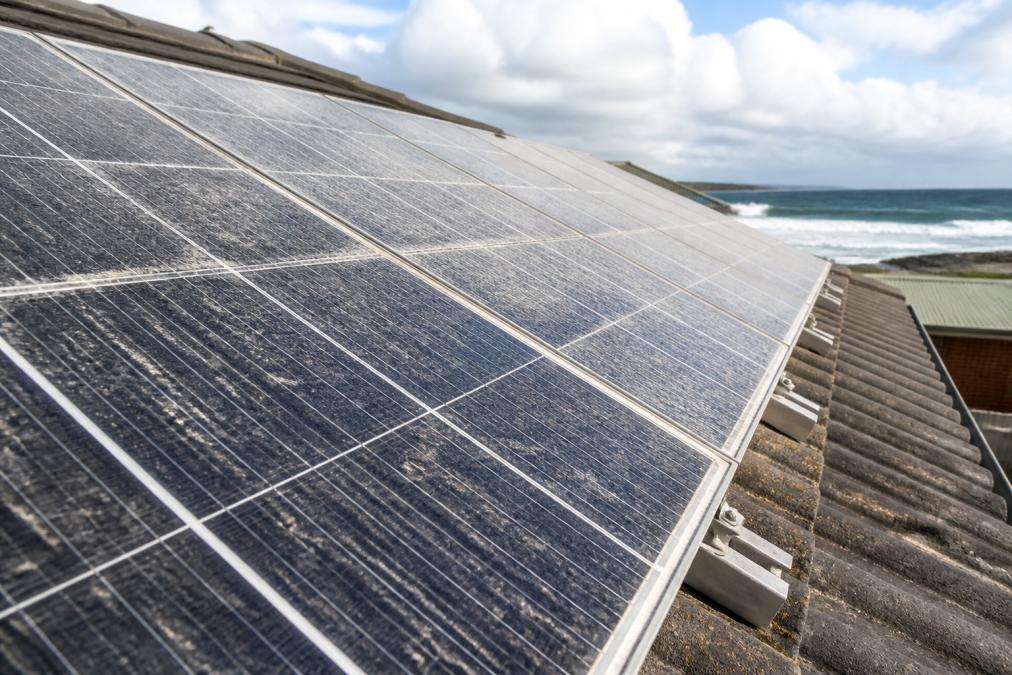
Coastal environments amplify this stress. Salt spray corrodes electrical connections and accelerates degradation of the panel’s encapsulation materials. High humidity combined with temperature swings creates conditions where potential induced degradation can accelerate, reducing the panel’s ability to convert light into electricity.
Hot climates present a different challenge. Panels operate less efficiently at higher temperatures, typically losing 0.4-0.5% of output for every degree Celsius above standard test conditions (25°C). In Australian summer heat, panels routinely operate 15-25°C above standard test conditions, meaning real-world performance is always lower than the nameplate rating. Prolonged heat exposure also accelerates the chemical processes that degrade the materials within the panel.
Coastal versus inland conditions
Geography matters significantly. Coastal installations face salt spray, higher humidity, and more aggressive corrosion of electrical connections and the aluminium frame. Research from Australian Bureau of Meteorology climate data documents the accelerated weathering patterns in coastal zones, where salt-laden air corrodes unprotected metals.
Inland installations avoid salt spray but may experience more extreme thermal cycling if the location has large daily temperature swings. Desert or high-altitude inland areas can see temperature differences of 20-30°C between day and night, creating mechanical stress on the panel structure.
The difference isn’t trivial. A panel installed 5 kilometres from the coast might experience 15-20% faster degradation than the same panel installed 50 kilometres inland, all else being equal. This is why module quality and frame material selection are critical for coastal properties.
Panel type: N-type versus P-type cells
The internal cell architecture significantly affects degradation rates. Traditional P-type (positive-type) panels dominate the market because they’re cheaper to manufacture. However, N-type technology offers measurably better degradation characteristics.
N-type panels are more resistant to light-induced degradation, the rapid output loss that occurs when panels are first exposed to sunlight. They also handle thermal stress more gracefully because the cell structure is fundamentally more stable. In practice, N-type panels often show 20-30% lower annual degradation rates compared to equivalent P-type panels, though they command a premium price.
The datasheet specifications for any panel will show its degradation curve. This isn’t marketing language, it’s measured data from accelerated aging tests. When comparing panels, look at the warranted annual degradation rate, not just the price. A panel that costs 10% more but degrades 30% slower will generate significantly more energy over 25 years.
:::pro-tip
Check the panel’s datasheet for its specific degradation curve and linear degradation guarantee. Not all panels are equal, premium N-type panels can outperform budget P-type panels by 5-10% over 25 years, even accounting for the higher upfront cost.
:::
Solar Panel Performance Warranty Australia: What It Covers
Australian manufacturers and importers must comply with the standards set by Clean Energy Regulator solar panel testing program, which ensures panels meet International Electrical Commission (IEC) standards. This regulatory framework protects consumers and gives teeth to manufacturer warranties.
A typical performance warranty guarantees that the panel will retain a minimum percentage of its rated capacity, usually 90% after 10 years and 80% after 25 years. This warranty covers degradation caused by normal operation and environmental exposure. It does not cover damage from installation errors, physical impact, or negligent maintenance.
The warranty is only as good as the manufacturer’s ability to honour it. Established manufacturers with long operational histories are more reliable than newer entrants. Check whether the manufacturer has a local service centre or an authorised agent in Australia who can process warranty claims without requiring panels to be shipped overseas.
Solazone Australia prioritises partnerships with manufacturers whose warranty terms align with the system’s expected lifespan. This means selecting panels where the 25-year performance guarantee is backed by a company with demonstrated financial stability and a track record of honouring claims.
Monitoring Degradation: Inverter Type and Real-Time Detection
You can’t manage what you don’t measure. Modern monitoring systems let you track your system’s performance in real time and detect degradation that exceeds normal expectations.
Micro-inverter versus string inverter monitoring
String inverters, the most common type in residential installations, aggregate the output of multiple panels into a single measurement. This means you see total system output, but you can’t identify which panels are underperforming. If one panel degrades faster than others, it’s invisible in the aggregate data.
Micro-inverters attach to individual panels, giving you panel-level visibility. Each micro-inverter reports its own output, so you can immediately see if one panel is producing less than its neighbours. This granular data reveals degradation, shading problems, or equipment faults that would be hidden in a string inverter system.
The trade-off is cost and complexity. Micro-inverters cost more upfront and add complexity to the electrical design. For homeowners serious about monitoring degradation and optimising performance, the investment pays off through early detection of problems.
Solar Analytics provides independent solar monitoring software that works with most inverter types, offering automated alerts when system output drops below expected levels. The platform benchmarks your system against similar installations in your area, helping you distinguish between normal seasonal variation and actual degradation.
String inverter systems hide panel-level problems. If you have a string inverter and want to monitor individual panel performance, you’ll need additional hardware or a third-party monitoring platform. Many homeowners discover degradation issues only when they compare energy bills year-to-year, by then, the problem has been silently costing them for months.
Battery-Coupled Systems and Degradation Patterns
Adding battery storage to your solar system changes the degradation picture. Batteries cycle daily, charging during the day and discharging at night, which introduces a different type of wear compared to grid-tied-only systems.
Battery degradation is separate from panel degradation, but the two interact. In a battery-coupled system, the inverter/charger controls how aggressively the panels charge the battery. Aggressive charging profiles can push panels harder, potentially accelerating their degradation. Conversely, a well-designed system optimises charging to balance battery lifespan with panel output.
Lithium batteries degrade through cycle stress, each charge-discharge cycle reduces the battery’s capacity slightly. After 10 years of daily cycling, a typical lithium battery retains 70-80% of its original capacity. This is actually comparable to panel degradation, so both components decline together.
The key difference is that battery degradation is more predictable and linear, whereas panel degradation often follows a curve (steep initially, then flattening). Monitoring battery state of health is as important as monitoring panel output in a battery-coupled system.
Maintenance and Mitigation Strategies
Degradation is inevitable, but you can slow it down and catch problems early through proactive maintenance and monitoring.
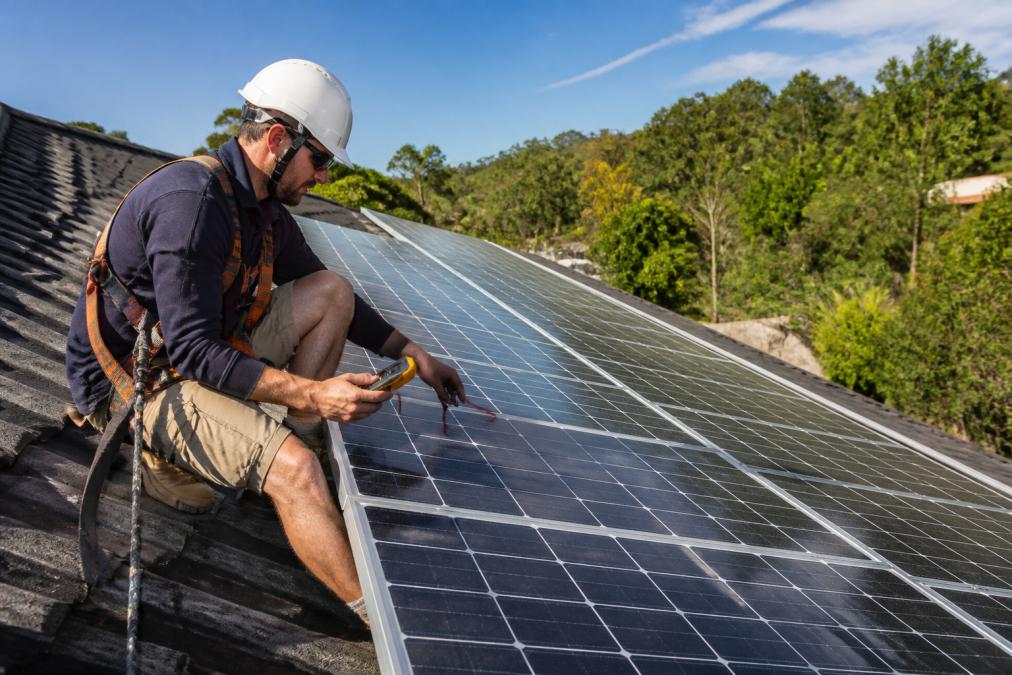
Regular cleaning removes dust, salt spray residue, and bird droppings that reduce light transmission. In coastal areas, panels should be cleaned 2-4 times per year. Inland installations typically need cleaning 1-2 times annually. Pressure washing is generally safe but should be done carefully to avoid damaging seals.
Electrical inspections catch corrosion in connectors and wiring before it becomes a safety hazard or causes performance loss. Have your system inspected by a licensed electrician every 5 years, or more frequently if you’re in a coastal environment.
Thermal management matters more than most homeowners realise. Ensure your panels have adequate ventilation underneath, panels that sit directly on a roof surface without airflow run hotter and degrade faster. If you’re designing a new system, prioritize mounting hardware that creates an air gap.
Monitor your datasheet specifications and compare actual performance against expected degradation curves. If your system is losing more than 1% per year after the first year, investigate. The problem might be shading, soiling, or equipment failure, all of which are addressable.
Solazone Australia’s installation teams design systems with degradation mitigation built in from the start. This includes selecting panel types suited to your climate, optimising mounting and ventilation, and specifying monitoring systems that catch problems early. The difference between a system installed to minimise degradation and one installed to minimise upfront cost often amounts to 5-10% more energy generation over 25 years.
Solar panel degradation is a measurable, manageable aspect of system design and operation. The panels you choose, how you install them, and how actively you monitor performance all influence how much energy your system will generate over its lifetime. Understanding degradation rates helps you make informed decisions about equipment selection and maintenance priorities.
At Solazone Australia, we help homeowners and businesses design systems that account for real-world degradation and perform reliably for decades. We start by selecting panels engineered for Australian conditions, then design installations that minimise thermal stress and maximise monitoring visibility. If you want to understand your system’s specific degradation profile and optimise performance, contact Solazone Australia for a personalised assessment of your installation.
Frequently Asked Questions
What is considered a good degradation rate for solar panels?
Most quality solar panels experience linear degradation of 0.5-0.8% per year, with an initial drop of 2-3% after the first year due to light-induced degradation. Panels with degradation below 0.5% annually are considered premium performers. Check the manufacturer’s performance warranty to confirm the guaranteed degradation rate for your system; this protects your investment over 25 years.
How does the Australian climate affect solar panel degradation rates?
Thermal cycling from Australia’s heat extremes accelerates degradation, particularly in inland regions where temperature swings are sharp. Coastal areas face salt spray corrosion and higher humidity, which can increase potential-induced degradation. N-type panel technology shows greater resilience to thermal stress than traditional P-type cells, making it a stronger choice for harsh climates.
What is the difference between linear and stepped degradation?
Linear degradation follows a steady decline in output year after year at a consistent rate. Stepped degradation shows a sharp initial loss (often 2-3% in year one) followed by slower, steady decline. Most modern panels exhibit linear degradation after the first-year drop. Understanding this pattern helps you interpret your performance warranty and set realistic expectations for long-term energy yield.
Can I monitor my solar panel degradation in real time?
Yes, with the right monitoring system. Micro-inverters and string inverters with integrated monitoring can track output, though micro-inverters offer module-level data that catches individual panel failures faster. Third-party monitoring platforms like Solar Analytics benchmark your system against similar local installations, alerting you to underperformance early so you can address issues before they worsen.
This article was written using GrandRanker