
Table of Contents
- Why Sustainable Energy Solutions Matter on the Sunshine Coast
- Solar Panel Systems: The Foundation of Energy Independence
- Battery Storage Systems: Maximising Your Solar Investment
- Queensland Solar Feed-in Tariff Rates and Your Income Potential
- STC Rebate Eligibility QLD: Understanding Your Upfront Savings
- EV Charger Installation Sunshine Coast: Powering Your Electric Vehicle
- Beyond Solar: Heat Pumps, Energy Audits, and Sustainable Building
- Choosing the Right Sustainable Energy Partner
Last Updated: August 8, 2026
Why Sustainable Energy Solutions Matter on the Sunshine Coast
The Sunshine Coast’s tropical climate and rising electricity costs make sustainable energy solutions increasingly essential. With Queensland’s abundant sunshine and supportive government incentives, investing in renewable energy systems can dramatically reduce energy bills whilst contributing to environmental sustainability.
Sustainable energy solutions encompass solar power systems, battery storage, heat pumps, and electric vehicle charging infrastructure. At Solazone Australia, we’ve spent over 40 years helping Sunshine Coast residents transition to sustainable energy. Households combining solar panels with battery storage can achieve energy independence for significant portions of the year, particularly during peak tariff periods. Beyond financial savings, sustainable energy solutions address grid vulnerability during extreme weather events, which the Sunshine Coast experiences with increasing frequency.
The Sunshine Coast’s combination of high solar irradiance, rising electricity costs, and government rebates creates an ideal environment for sustainable energy investment. Most households achieve payback periods of 3-5 years with solar alone, and significantly faster when combined with storage systems.
Solar Panel Systems: The Foundation of Energy Independence
How Solar Power Systems Work for Homes and Businesses
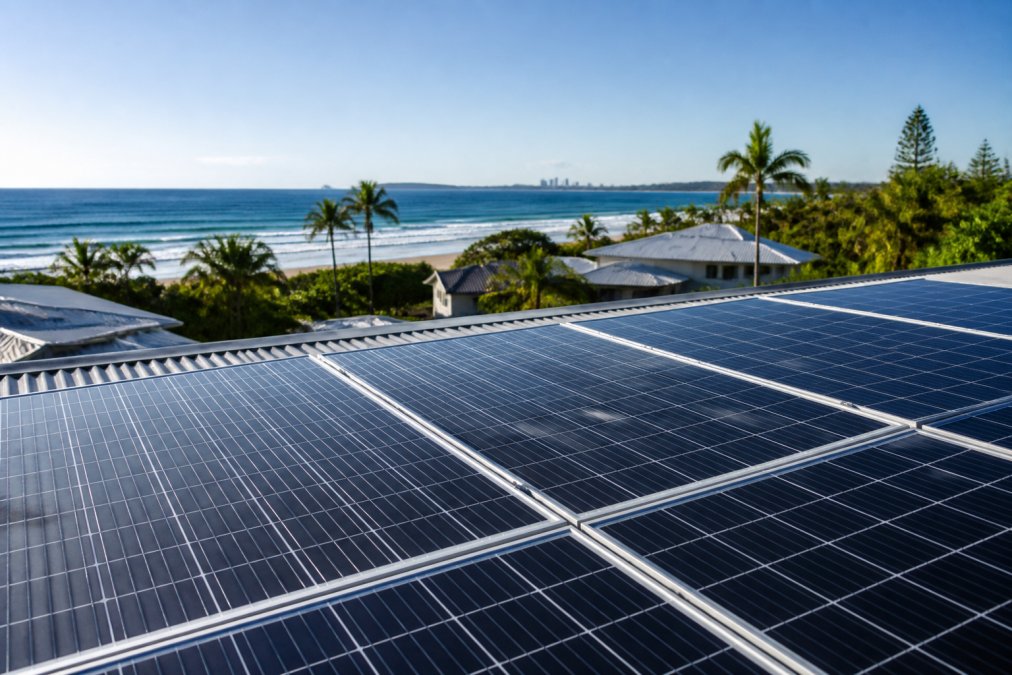
Solar power systems convert sunlight into usable electricity through photovoltaic panels connected to an inverter, which transforms direct current into alternating current for household or business use. A typical residential system includes solar panels mounted on your roof, an inverter, and an electrical switchboard connection.
For grid-connected systems, the most common setup on the Sunshine Coast, excess electricity flows back to the grid, earning you credits through the feed-in tariff. During periods when your panels aren’t generating enough power, you draw electricity from the grid as normal. Off-grid systems require battery storage to function independently, though they’re less common on the Sunshine Coast due to reliable grid infrastructure.
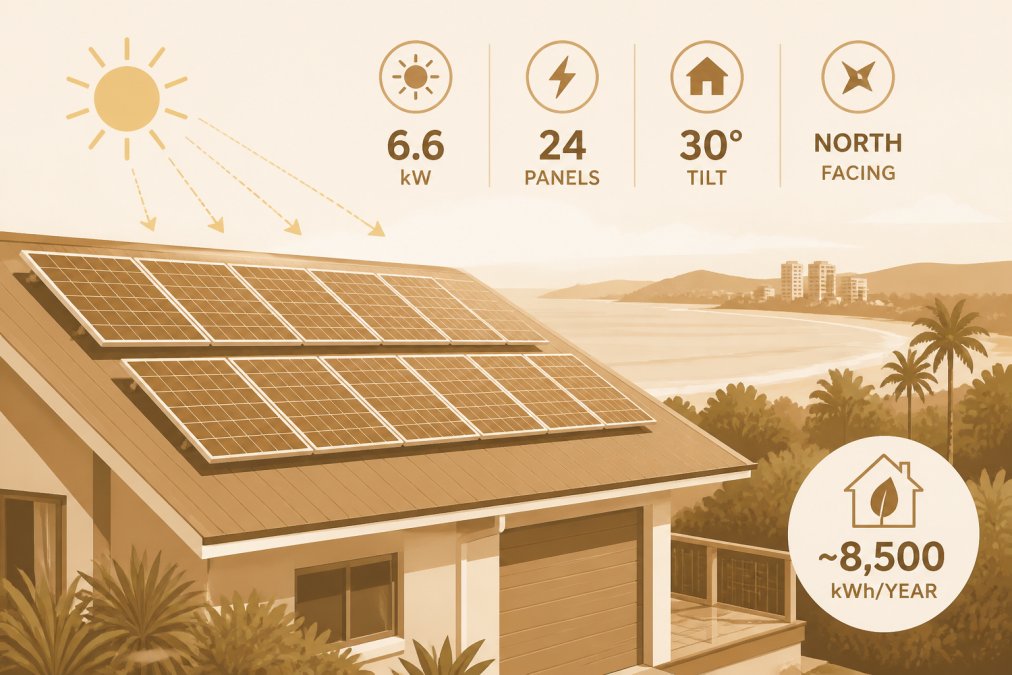
System efficiency depends on roof orientation (north-facing is ideal in Australia), roof pitch, shading, and panel quality. A professional solar installer assesses these variables during design, ensuring your system is optimised for your property.
Partial shading from trees or buildings can significantly reduce output from affected panels. Modern systems use microinverters or power optimisers to minimise this impact. Solazone Australia conducts detailed shading analysis to identify and mitigate these issues before installation.
Real Savings: What a 6.6kW System Delivers
A 6.6kW solar system is the most popular residential size on the Sunshine Coast, striking a balance between installation cost and energy generation capacity. This system typically includes 16-20 high-quality solar panels and a 5kW inverter.
Under optimal conditions, a 6.6kW system generates approximately 24-27 kilowatt-hours of electricity per day, translating to annual generation of roughly 9,000-10,000 kWh. For a typical Sunshine Coast household consuming around 15-20 kWh daily, this system covers 50-70% of annual electricity needs.
Annual savings typically range from $1,600-$2,100 in reduced electricity costs, though this varies based on consumption patterns and tariff structure. The Small-scale Technology Certificates (STCs) scheme provides an upfront rebate that reduces your initial investment by several thousand dollars, significantly improving your return on investment.
Don’t rely solely on installer estimates for savings projections. Your actual savings depend on your specific consumption patterns, tariff rates, and system performance. Review your actual electricity bills and consumption data before finalising system size.
Battery Storage Systems: Maximising Your Solar Investment
Battery storage systems capture excess solar energy generated during the day for use during evening hours, peak tariff periods, or power outages. A typical residential battery system stores 10-15 kWh of usable energy, enough to cover evening consumption for most households.
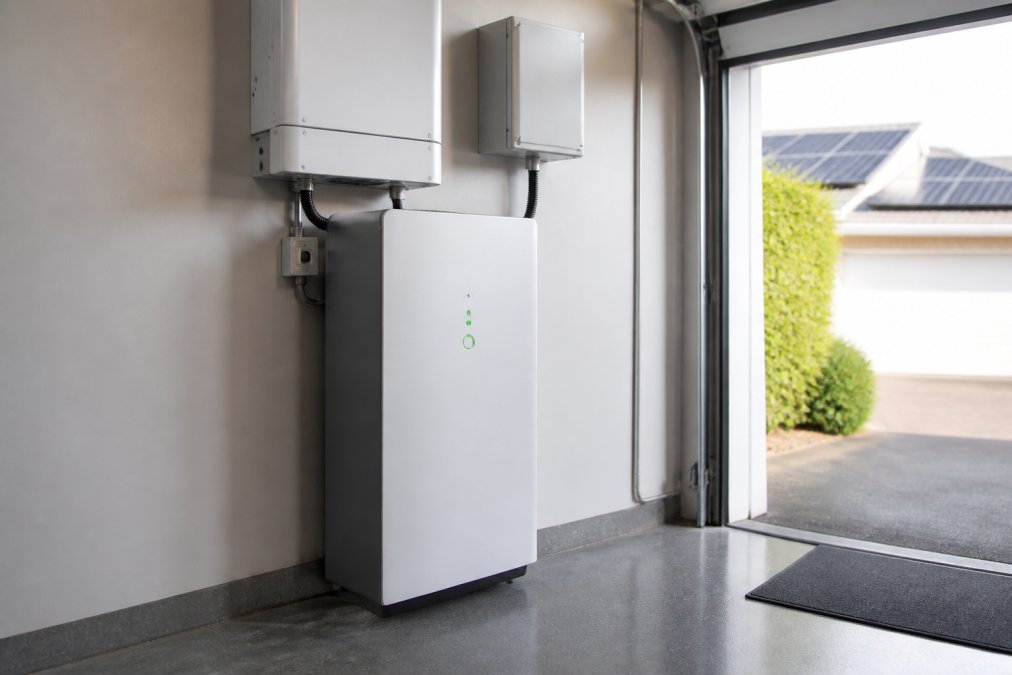
Government incentives like Queensland’s Cheaper Home Batteries Program reduce upfront costs significantly. Combined with the ability to shift consumption away from peak tariff periods, when grid electricity costs 2-3 times more than off-peak rates, battery systems pay for themselves through tariff arbitrage alone.
For households on time-of-use tariffs, where evening electricity costs substantially more than daytime rates, a battery system provides dramatic savings. Rather than drawing expensive evening grid power, you use solar energy stored during the day, reducing electricity bills by 30-50% for suitable consumption patterns.
Battery systems also provide peace of mind during grid outages, powering essential household loads for several hours or longer depending on system size and consumption.
Battery storage transforms solar from a partial solution into a comprehensive energy management system. Households combining solar with battery storage typically achieve 70-90% energy self-sufficiency.
Queensland Solar Feed-in Tariff Rates and Your Income Potential
The Queensland feed-in tariff is the rate electricity retailers pay you for excess solar energy exported to the grid. As of 2026, rates typically range from 8-12 cents per kilowatt-hour, depending on your retailer and tariff type.
The relationship between feed-in tariff rates and consumption patterns determines your savings strategy. If your retailer offers a low feed-in tariff but high peak-period rates, battery storage becomes more valuable. Conversely, if your retailer offers competitive feed-in rates and your consumption is primarily during daylight hours, a grid-connected solar system without battery storage may deliver better returns.
Most households benefit from reviewing their specific retailer’s tariff structure with an experienced solar installer. Solazone Australia’s team analyses your consumption patterns and tariff rates to recommend the optimal system configuration.
Don’t accept your retailer’s initial feed-in tariff offer without negotiating. Some retailers offer 15+ cents per kWh during peak periods, substantially improving your solar investment returns.
STC Rebate Eligibility QLD: Understanding Your Upfront Savings
Small-scale Technology Certificates (STCs) are a federal government incentive designed to reduce the upfront cost of renewable energy systems. STC rebate eligibility in Queensland depends on system size and installation date. Systems up to 10 kW are eligible, covering virtually all residential installations.
For a 6.6kW system installed in a typical Sunshine Coast location, you’d typically receive around 80-90 STCs. With current values ranging from $35-$40 per certificate, this translates to a rebate of roughly $2,800-$3,600 applied to your installation cost.
Your installer manages the STC claim on your behalf, deducting the rebate value from your invoice. Queensland doesn’t currently offer additional state-based rebates beyond the federal STC scheme, though the Cheaper Home Batteries Program provides separate rebates for battery storage systems.
Only use installers accredited by the Clean Energy Regulator. Non-accredited installers cannot claim STCs on your behalf, meaning you’d miss out on thousands of dollars in rebates. Solazone Australia is fully accredited and has been managing STC claims for decades.
EV Charger Installation Sunshine Coast: Powering Your Electric Vehicle
Electric vehicle charger installation at home transforms EV ownership into a cost-saving strategy. Rather than relying on public charging networks, where costs typically range from 40-60 cents per kilowatt-hour, home charging costs significantly less, particularly on off-peak tariffs.
A typical home EV charger draws 7-11 kilowatts of power, charging most vehicles to 80% capacity overnight. Off-peak electricity rates on the Sunshine Coast typically cost 8-15 cents per kilowatt-hour, saving $800-$1,500 annually compared to public charging networks.
Installation involves running a dedicated electrical circuit from your switchboard to the charger location. Most properties require simple installation, though older homes may need electrical upgrades.
The real opportunity emerges when you combine EV charging with solar and battery storage. Rather than drawing grid electricity, you use solar energy generated during the day or stored in your battery, reducing EV running costs to virtually zero.
If you’re considering EV purchase alongside [solar installation](/solar-installation-timeline-and-process-a-complete-australian-guide/), coordinate both projects with your installer. Installing the EV charger during solar installation often reduces overall electrical work costs.
Beyond Solar: Heat Pumps, Energy Audits, and Sustainable Building
Energy-Efficient Hot Water with Heat Pump Systems
Heat pump hot water systems use 60-75% less electricity than conventional electric hot water systems, delivering identical hot water output with dramatically lower running costs. For households spending $400-$600 annually on hot water heating, a heat pump system reduces this to $100-$150.
On the Sunshine Coast’s warm climate, heat pump efficiency is excellent year-round. Installation is straightforward, often simpler than replacing a traditional electric hot water system.
Energy Audits: Identifying Hidden Savings
An energy audit systematically identifies where your home or business wastes energy, revealing opportunities for savings that wouldn’t be obvious otherwise. Many households discover that their solar system underperforms due to shading, or that their battery system isn’t charging efficiently due to inverter settings.
An energy audit typically costs $300-$500 for a residential property but often identifies $1,000+ in annual savings through relatively simple changes.
Sustainable Building Materials for New Construction and Renovations
For new construction or major renovations, sustainable building materials like rammed earth and hempcrete provide superior insulation compared to conventional construction, reducing heating and cooling loads substantially. On the Sunshine Coast, these materials can reduce cooling loads by 30-50%, translating to significant savings for new construction.
Choosing the Right Sustainable Energy Partner
Selecting an installer matters significantly. The difference between a well-designed system optimised for your property and a poorly-designed one can amount to 20-30% difference in annual energy generation.
Look for installers with genuine technical expertise. Ask about their design process: do they conduct detailed shading analysis, assess your roof structure, review your consumption patterns, and explain their system recommendations? Installers who simply quote a standard 6.6kW system without understanding your specific situation are likely leaving money on the table.
Warranty and support matter significantly. Ensure your installer offers comprehensive warranties on labour and equipment, and confirm they’ll be available for support throughout the system’s lifespan. Ask about the specific equipment your installer recommends, Australian-made components often outlast cheaper imports.
Compare quotes carefully, but don’t simply choose the cheapest option. A $2,000 price difference often reflects differences in equipment quality, design thoroughness, or warranty coverage.
| Consideration | Why It Matters | What to Ask |
|---|---|---|
| Design process | Determines system efficiency and savings | Do you conduct shading analysis and review consumption patterns? |
| Equipment quality | Affects reliability and lifespan | What brands do you use and why? Are they Australian-made? |
| Warranty coverage | Protects your investment long-term | What’s covered and for how long? What about labour? |
| Installer experience | Reflects technical expertise and reliability | How many systems have you installed? Can you provide references? |
| Communication timeline | Reduces uncertainty and delays | What’s your typical installation timeline and how do you keep customers updated? |
Sustainable energy solutions on the Sunshine Coast have moved from niche environmental choice to mainstream financial investment. The combination of high solar irradiance, rising electricity costs, and government incentives creates genuine opportunity for homeowners and businesses to reduce energy costs whilst improving energy security.
Solazone Australia has spent over 40 years helping Sunshine Coast residents achieve energy independence through high-quality solar systems, battery storage, and complementary technologies. Our team designs systems tailored to your specific property, climate, and energy needs. Contact Solazone Australia today for a personalised assessment and quote, and discover how sustainable energy solutions can transform your energy costs and environmental impact.
Frequently Asked Questions
What are sustainable energy solutions, and how do they work on the Sunshine Coast?
Sustainable energy solutions harness natural resources like solar power to generate electricity while reducing reliance on the grid and lowering carbon emissions. On the Sunshine Coast, the most common approach combines solar panel systems with battery storage for energy independence. A typical 6.6kW residential system generates approximately 24-27kWh daily, with excess energy either fed back to the grid or stored in batteries for evening use. Heat pump hot water systems and EV charging infrastructure extend this ecosystem further, creating a fully integrated renewable energy setup that cuts electricity bills and environmental impact.
Am I eligible for Small-scale Technology Certificates (STCs) on the Sunshine Coast?
Most residential and small commercial solar installations in Queensland qualify for STCs, which provide an upfront rebate reducing your net cost. Eligibility depends on system size (typically up to 100kW for residential), installation by an accredited installer, and meeting Australian Standards. The number of certificates you receive depends on your system's capacity and location. STC rebate eligibility QLD varies slightly by region, but Sunshine Coast properties generally qualify. Contact an accredited installer to confirm your specific eligibility and the rebate value for your system size.
What are the current Queensland solar feed-in tariff rates, and how much can I earn?
Queensland solar feed-in tariff rates vary by retailer and network operator, typically ranging from 8-12 cents per kilowatt-hour as of 2026. The actual rate depends on your electricity plan and retailer. A 6.6kW system on the Sunshine Coast can export 8-12kWh daily to the grid, potentially earning $200-$400 annually at current Queensland solar feed-in tariff rates, though this varies with seasonal generation. Some retailers offer higher rates for time-of-use exports during peak demand periods. Check with your current provider or contact a solar installer for the exact rate applicable to your address.
How much does it cost to install an EV charger on the Sunshine Coast, and can solar power it?
EV charger installation Sunshine Coast costs depend on your home's electrical infrastructure and charger type, with pricing available through a quote from a qualified installer. Home charging is significantly cheaper than public stations (under 10 cents per kWh on off-peak plans versus 40-60 cents at public chargers). When paired with a solar system and battery storage, you can charge your vehicle almost entirely from self-generated renewable energy, dramatically reducing running costs. Many EV owners combine solar installation with charger setup to maximise savings and environmental benefits.
This article was written using GrandRanker