
Table of Contents
- Why Commercial Solar Makes Sense for Sunshine Coast Businesses
- Understanding System Sizing and Solar Panel Capacity
- Commercial Solar Rebates and Incentives in Queensland
- Calculating Your Commercial Solar ROI and Payback Period
- Commercial Solar System Cost Australia and Financing Options
- Solar Panel Maintenance and Performance on the Sunshine Coast
- Choosing the Right Commercial Solar Installer
- Conclusion
Last Updated: August 10, 2026
Why Commercial Solar Makes Sense for Sunshine Coast Businesses
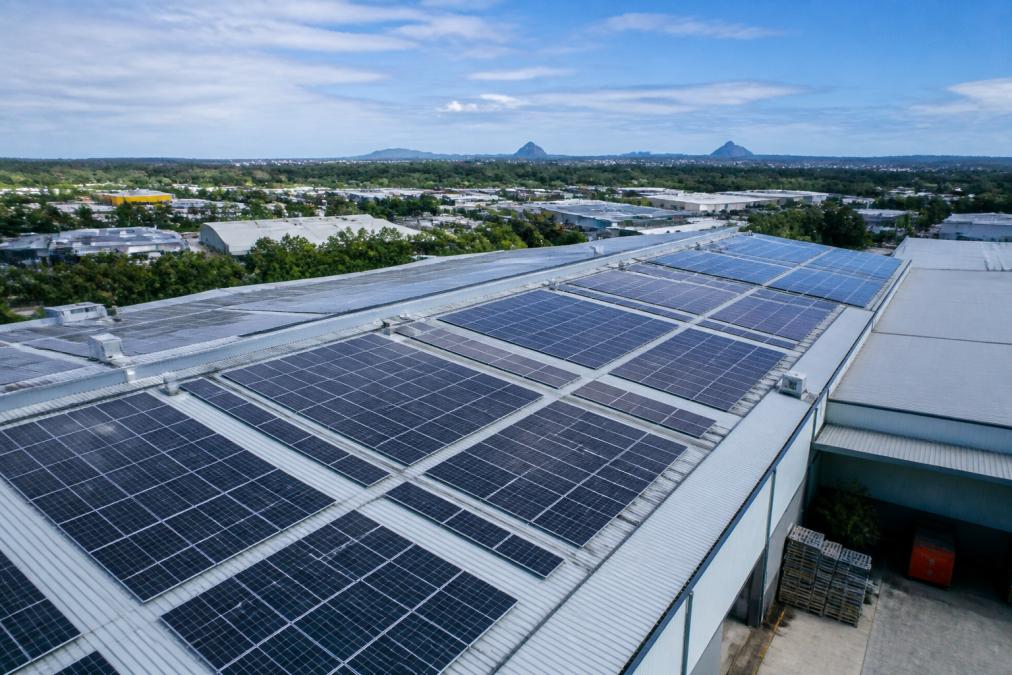
Commercial solar installation on the Sunshine Coast has become a practical necessity for businesses facing rising electricity costs and growing pressure to reduce their carbon footprint. The region’s abundant sunshine and supportive Queensland regulatory environment create ideal conditions for solar systems to deliver genuine financial returns within a reasonable timeframe.
Solar reduces operational electricity expenses immediately. Businesses that shift energy consumption to daylight hours see the most dramatic savings, while even 24/7 facilities benefit from reduced peak demand charges. The Sunshine Coast’s climate delivers approximately 4.5 to 5 kilowatt hours per square metre per day, translating to strong system performance year-round.
Beyond immediate cost reduction, commercial solar addresses business continuity concerns. Grid electricity prices rise faster than inflation, making long-term budget forecasting difficult. A solar system with battery storage provides predictability: your energy costs become largely fixed for 20-25 years, protecting your business from future price volatility.
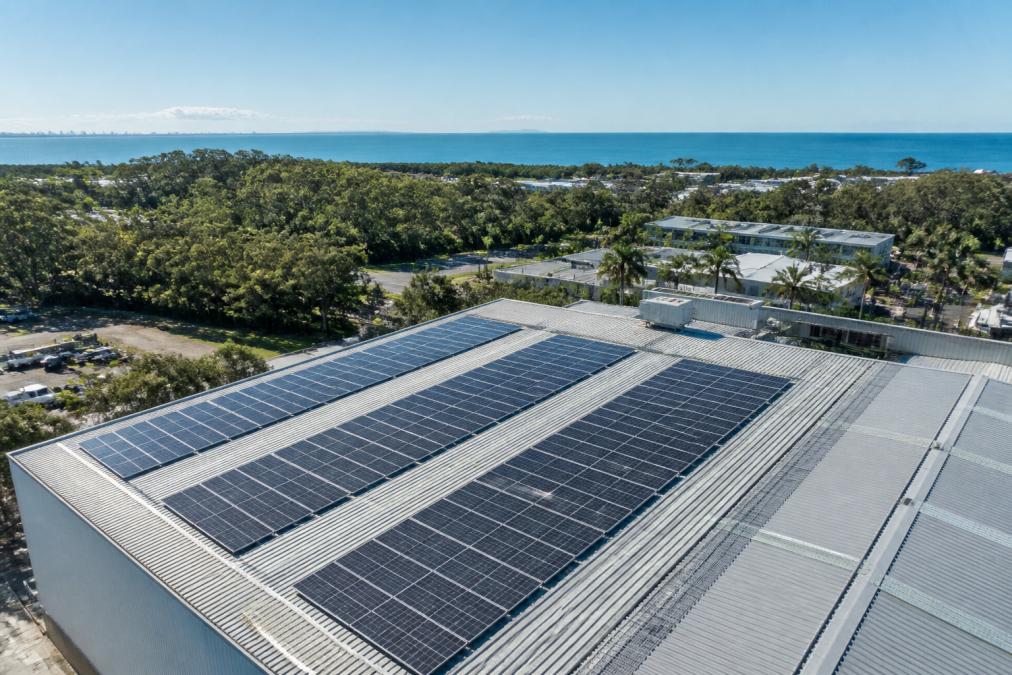
At Solazone Australia, we’ve worked with businesses to understand what drives the decision to go solar. It’s rarely about environmental idealism alone. It’s about controlling costs, improving cash flow predictability, and accessing government incentives specifically designed for commercial installations. The maths work. That’s what matters.
Understanding System Sizing and Solar Panel Capacity
Sizing a commercial solar system correctly is non-negotiable. An undersized system leaves money on the table; an oversized system wastes capital on panels that won’t generate sufficient return. The right size matches your actual energy consumption patterns and your roof’s physical constraints.
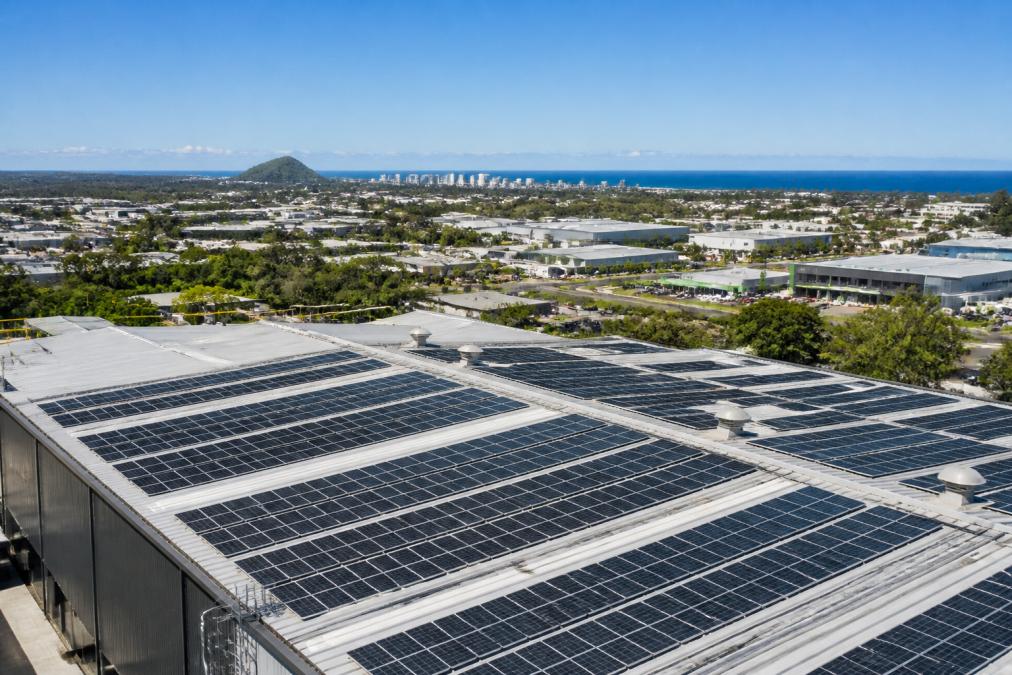
Start with your energy bills from the past 12 months and calculate your average daily consumption in kilowatt-hours (kWh). A business consuming 50 kWh per day needs a different system than one consuming 200 kWh per day. Most commercial roofs can accommodate 10-50 kilowatt peak (kWp) systems.
System sizing also depends on your load profile, when you actually use electricity. A manufacturing facility running three shifts operates differently from an office that shuts down at 6 PM. Businesses with high daytime consumption see better ROI because they use solar energy directly rather than exporting it to the grid at lower feed-in tariff rates.
Your roof’s orientation, pitch, shading patterns, and structural capacity all determine what’s feasible. A north-facing roof in Australia is ideal. East or west-facing roofs still work but generate 15-20% less energy. Shading from nearby trees, neighbouring buildings, or roof structures can significantly reduce output. A proper site assessment identifies these limitations before installation begins.
Queensland’s climate means cyclone resistance matters on the Sunshine Coast. System design must account for wind loading and structural requirements. Professional installers accredited with the Clean Energy Council (CEC) understand these requirements and design accordingly.
Commercial Solar Rebates and Incentives in Queensland
Queensland offers several mechanisms to reduce the upfront cost of commercial solar installation. Understanding these programs is essential because they materially affect your payback period and overall return on investment.
Small-scale Technology Certificates (STCs) are the primary federal incentive. Eligible commercial systems receive STCs based on their capacity and location. These certificates can be sold to create an upfront discount, typically reducing your net cost by 20-30% depending on system size and current market prices. The STC program applies to systems up to 100 kW, which covers most commercial installations on the Sunshine Coast.
Large-scale Generation Certificates (LGCs) apply to larger systems above 100 kW. These work differently from STCs and provide ongoing revenue generation over time. If your system exceeds 100 kW, your installer should explain the LGC pathway and what it means for your long-term returns.
Queensland-specific programs occasionally offer additional support, though these change based on government policy. Check with the Queensland government’s energy department for current programs applicable to your location.
The feed-in tariff affects your financial model. Queensland retailers are required to pay you for excess solar energy you export to the grid. Rates typically range from 6-12 cents per kWh, lower than the retail rate you pay for grid electricity (often 25-35 cents per kWh). Maximising self-consumption is more valuable than maximising exports.
Many businesses overlook combining solar with energy efficiency improvements. Upgrading to LED lighting, installing smart controls, or improving insulation reduces overall consumption, meaning a smaller (and cheaper) solar system can meet your needs. This combination approach often delivers better financial outcomes than solar alone.
Calculating Your Commercial Solar ROI and Payback Period
Return on investment and payback period are the metrics that determine whether a commercial solar installation makes financial sense for your business. These calculations require specific data about your situation, which is why generic estimates are often misleading.
The payback period is the time it takes for your system to generate savings equal to its upfront cost. For commercial systems on the Sunshine Coast, payback periods typically range from 4 to 7 years, depending on your electricity consumption, your roof’s solar resource, system size, and available incentives.
To calculate your payback period accurately, you need:
- Your current annual electricity bill and consumption (in kWh)
- The installed cost of your proposed system
- The value of STCs and any other incentives
- Your expected annual energy savings (which your installer should model based on your specific roof)
- Assumed electricity price increases over time (typically 2-4% annually)
The formula is straightforward: (Total System Cost – Incentives) ÷ Annual Savings = Payback Period in Years. However, accuracy depends entirely on the accuracy of your inputs. A professional energy audit and system design will give you confidence in these numbers.
Return on investment extends beyond the payback period. Once your system is paid off, you continue generating savings for another 15-20 years (the typical lifespan of quality commercial panels). Many businesses calculate their 10-year or 20-year cumulative savings to understand the true financial impact.
Solazone Australia recommends running multiple scenarios: conservative (lower savings estimates), realistic (based on your actual consumption patterns), and optimistic (accounting for energy efficiency improvements). This range helps you understand the financial outcome under different conditions and make a confident decision.
Commercial Solar System Cost Australia and Financing Options
The upfront cost of commercial solar installation varies significantly based on system size, component quality, site complexity, and your location. System costs generally decrease on a per-kilowatt basis as system size increases due to economies of scale. Labour costs, site preparation, electrical infrastructure upgrades, and structural reinforcement all affect the final price.
Component quality matters for long-term performance. High-efficiency panels, quality inverters, and durable mounting systems cost more upfront but generate better returns over 20+ years.
Financing options include:
- Cash purchase: Highest upfront cost but no interest payments or financing fees
- Solar loans: Dedicated financing products designed for solar installations, often with favourable terms
- Equipment finance: Traditional business loans used to purchase solar equipment
- **Power Purchase Agreements (PPAs): You don’t own the system; a third party owns it and you buy the electricity at a fixed rate
- Lease arrangements: Similar to PPAs but structured differently
Each option has different tax implications and cash flow characteristics. A PPA or lease requires no upfront capital but locks you into a long-term electricity purchase agreement. A loan or cash purchase gives you ownership and the ability to claim depreciation for tax purposes.
The right financing choice depends on your business’s cash position, tax situation, and risk tolerance. Many businesses find that a combination approach works best: use STCs and other incentives to reduce the net cost, then finance the remainder through a solar loan or equipment finance product.
Solar Panel Maintenance and Performance on the Sunshine Coast
Commercial solar systems require minimal maintenance, but neglecting what little maintenance is needed can significantly impact performance. The Sunshine Coast’s climate, with salt air, occasional heavy rain, and intense summer sun, creates specific maintenance considerations.
Panel cleaning is the primary maintenance task. Dust, salt spray, bird droppings, and leaf debris reduce light penetration and system output. Most commercial systems on the Sunshine Coast benefit from cleaning every 6-12 months, depending on your specific location and environment. Cleaning costs are modest and the performance improvement justifies the expense.
Electrical connections and mounting hardware require periodic inspection to ensure nothing has loosened due to wind, thermal cycling, or vibration. A qualified technician should inspect these components annually.
Inverters typically last 10-15 years and may require replacement during your system’s 25-year lifespan. Budget for this replacement cost when evaluating long-term returns. Quality inverters from established manufacturers have better track records than budget alternatives.
Monitoring your system’s performance is essential. Most commercial systems include real-time monitoring that shows how much energy your system is generating. If output drops unexpectedly, it signals a problem that needs addressing quickly.
Choosing the Right Commercial Solar Installer
Your installer’s quality directly impacts your system’s performance, longevity, and the accuracy of your financial projections. The difference between a good installer and a poor one can be 10-15% of your total returns over 20 years.
Look for installers who are CEC-accredited. The Clean Energy Council maintains a register of accredited installers who meet defined competency and insurance standards. Any installer you seriously consider should hold current CEC accreditation.
Ask about their experience with commercial installations specifically. Residential and commercial work require different skills. A residential specialist may not understand the complexities of three-phase electrical systems, large-scale roof engineering, or commercial energy management. Experience with commercial systems on the Sunshine Coast is valuable because local installers understand regional wind and weather patterns, local electrical infrastructure, and Queensland-specific regulations.
Check their warranty offerings carefully. Quality installers offer 10-year warranties on workmanship and typically provide 25-year warranties on panels. Inverter warranties are usually 10 years but can be extended. Understand what’s covered and what happens if something fails.
Request detailed site assessments and written quotes. A quality installer will spend time understanding your energy consumption, your roof’s characteristics, and your business goals before quoting. Vague quotes or high-pressure sales tactics are red flags.
Solazone Australia brings over 40 years of technical expertise to commercial installations on the Sunshine Coast. The team understands the region’s climate, local electrical infrastructure, and the specific needs of Sunshine Coast businesses. Our commitment to Australian-made systems ensures you’re investing in quality equipment that’s proven to perform in local conditions. We prioritise personalized service and transparent communication throughout the installation process, so you understand exactly what to expect and when.
Ask for references from recent commercial customers. Contact them directly and ask about their experience: Was the installation completed on time? Did the system perform as promised? How responsive has the installer been to maintenance issues?
Conclusion
Commercial solar installation on the Sunshine Coast is a financially sound decision for most businesses, particularly those with high daytime electricity consumption. The combination of strong solar resources, government incentives (STCs), and declining component costs creates a compelling case. Your payback period is likely 4-7 years, with substantial ongoing savings for decades beyond that.
The key is getting the details right: accurate system sizing, realistic financial modelling, and choosing an installer who understands commercial work and the Sunshine Coast environment. Solazone Australia has the expertise and track record to guide you through this process with confidence. Get in touch for a comprehensive energy audit and customised system design tailored to your business’s specific needs and goals.
Frequently Asked Questions
What are the main benefits of commercial solar installation for Sunshine Coast businesses?
Commercial solar reduces operational electricity expenses significantly, often lowering energy bills by 50-80% depending on system size and your facility's load profile. Beyond cost savings, it improves your sustainability goals, reduces carbon footprint, and can enhance your brand reputation with customers who value renewable energy. Many businesses also benefit from energy independence during peak demand periods, which protects against rising grid electricity prices.
Are there government rebates for commercial solar in Queensland?
Yes. Queensland businesses can access Small-scale Technology Certificates (STCs) for systems under 100 kW, which create a financial benefit at the point of installation. Larger systems may qualify for Large-scale Generation Certificates (LGCs). Some councils also offer additional incentives. The available rebates depend on your system size, installation date, and eligibility. Contact Solazone Australia for current details specific to your business and location.
How long does a commercial solar installation typically take on the Sunshine Coast?
Timeline varies based on system complexity, roof suitability, and council approval requirements. Most commercial installations take 4-8 weeks from approval to grid connection, though simpler systems can be faster. Factors like structural assessments, electrical infrastructure upgrades, and weather can extend this. Solazone Australia provides clear communication and timelines throughout the process so you know exactly what to expect.
What is the payback period for commercial solar in Australia?
Payback periods typically range from 4-7 years for commercial solar systems, though this depends on your energy consumption, roof orientation, local climate, and system size. Businesses with high daytime energy use see faster payback. A commercial energy audit from an accredited installer helps calculate your specific payback period based on your actual energy bill and usage patterns, not generic estimates.
This article was written using GrandRanker